Karate
Karate Techniques Overview
This section presents the most important elements of Karate technique. Each section gives you a short introduction and leads to more detailed explanations.
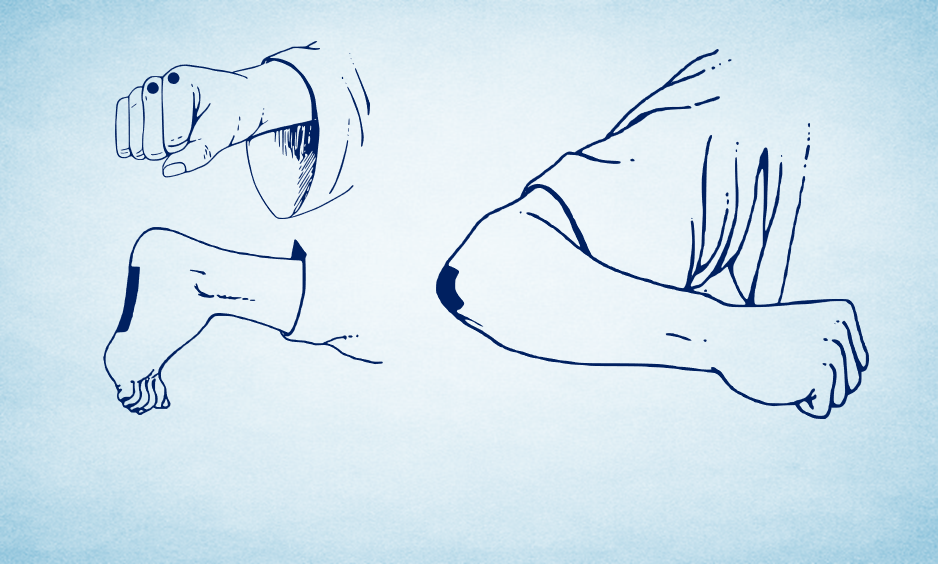
Contact Points
Contact points show which parts of the body are used to execute techniques – for example the knuckles, elbow or edge of the foot.
They help to apply techniques precisely and in a controlled way. Using the correct contact points also reduces the risk of injuring yourself.
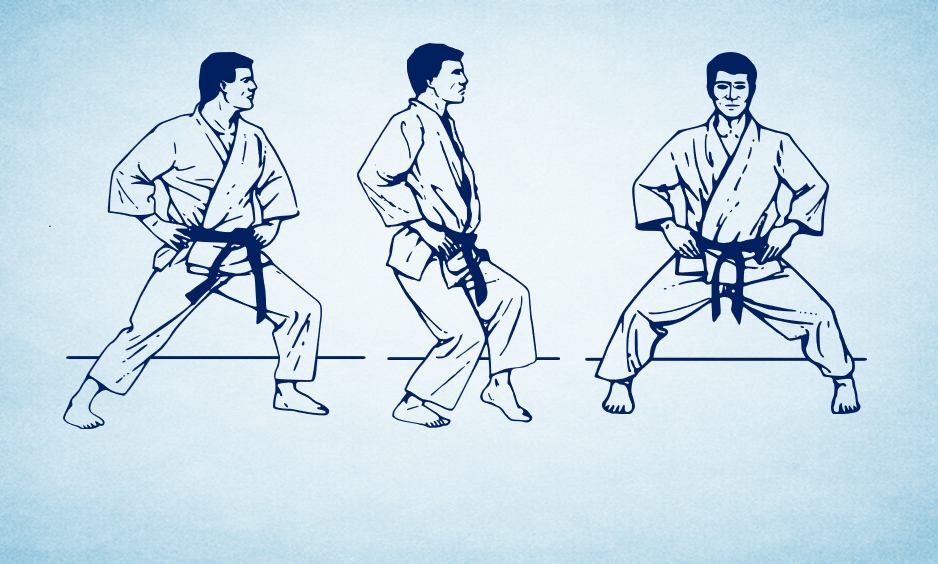
Positions
Positions are the foundation for stability, weight transfer and movement.
Depending on the style, there are different forms. Some are wider and more stable, others allow greater mobility – this depends on the approach of the style. A good position is the foundation for executing techniques with power.
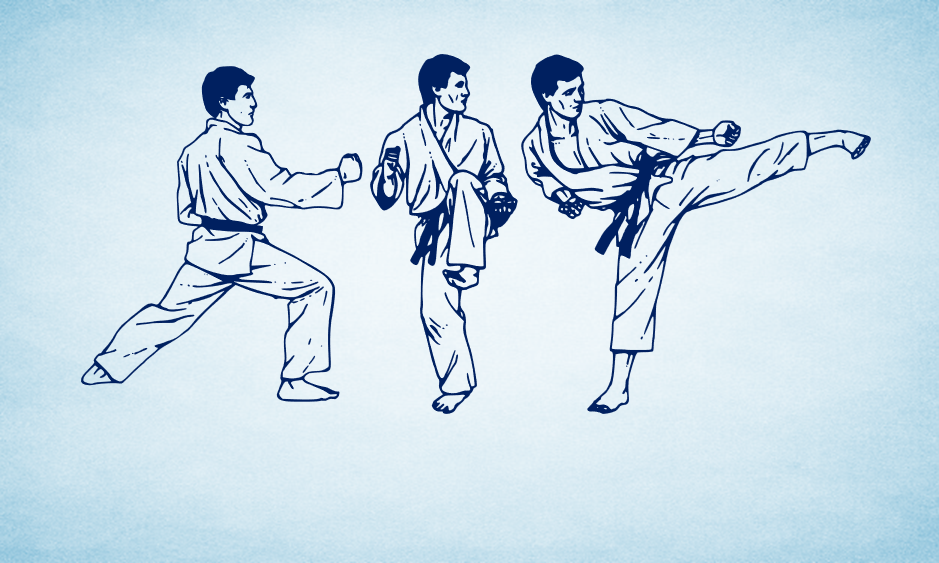
Attack & Defense Techniques
Attack and defense techniques arise from the interplay of position, movement, sequence, timing and contact points.
Through repeated practice they become natural and fluid, and precision and control improve over time.
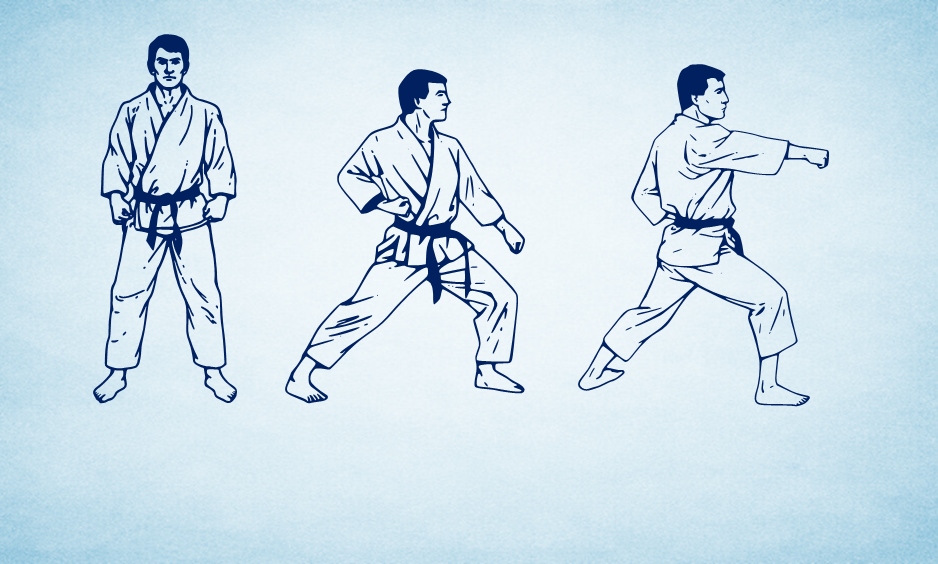
Kata
Kata are fixed movement sequences that simulate a fight against multiple opponents.
They help to connect techniques and develop a feel for rhythm and sequence. After learning the sequence, it is important to also understand the application behind the movements.
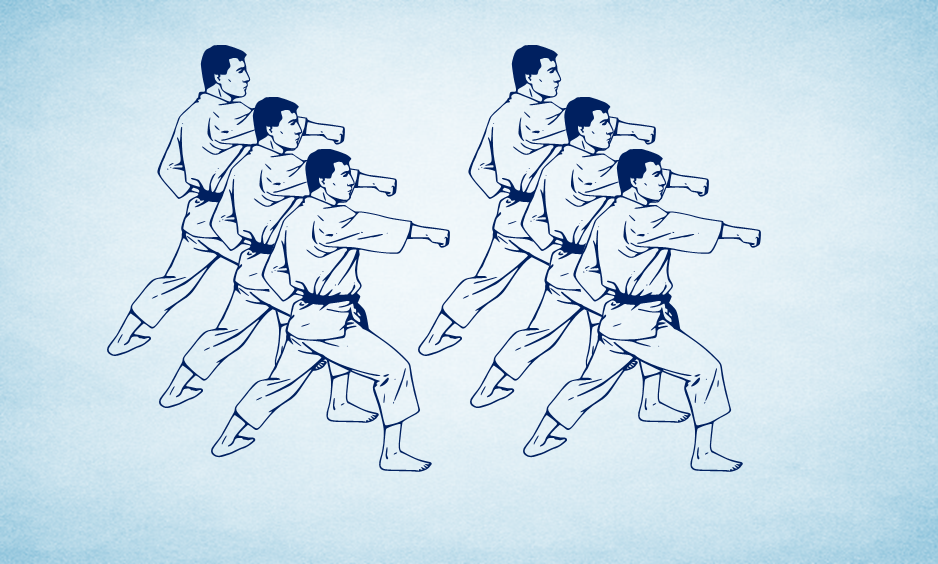
Kihon
Kihon is the foundation training and at the same time the fine-tuning in Karate.
Techniques are repeated to learn them cleanly, maintain them and continuously improve. The focus is on using the body correctly. It forms the foundation for everything else in Karate.
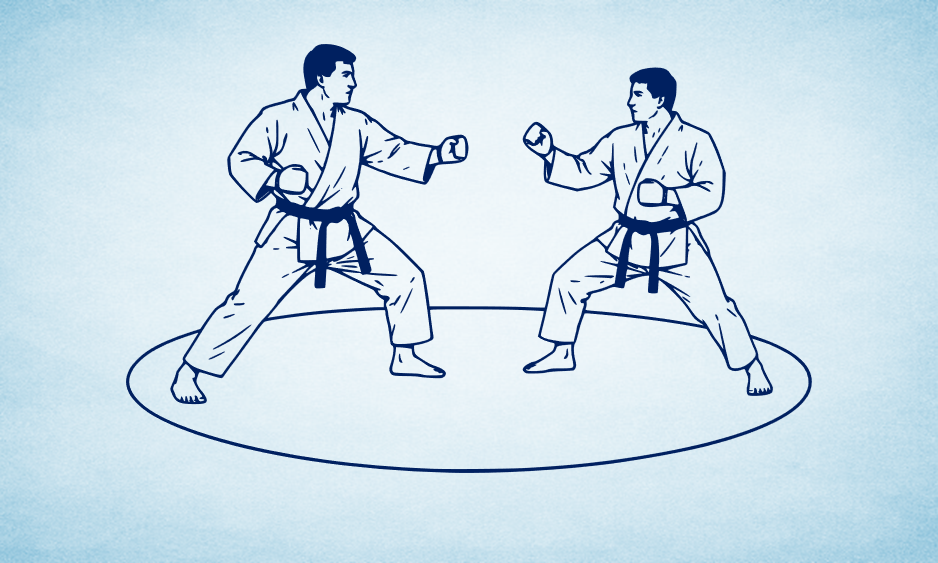
Kumite
Kumite is training with a partner or in competition. Depending on the style, competition plays a greater or lesser role.
Techniques are applied under conditions as realistic as possible. Timing, distance and control play an important role.
Self-Defense
Self-defense means recognizing dangerous situations early and responding appropriately.
The aim is to avoid conflicts wherever possible, but always be ready to defend yourself effectively when necessary.